
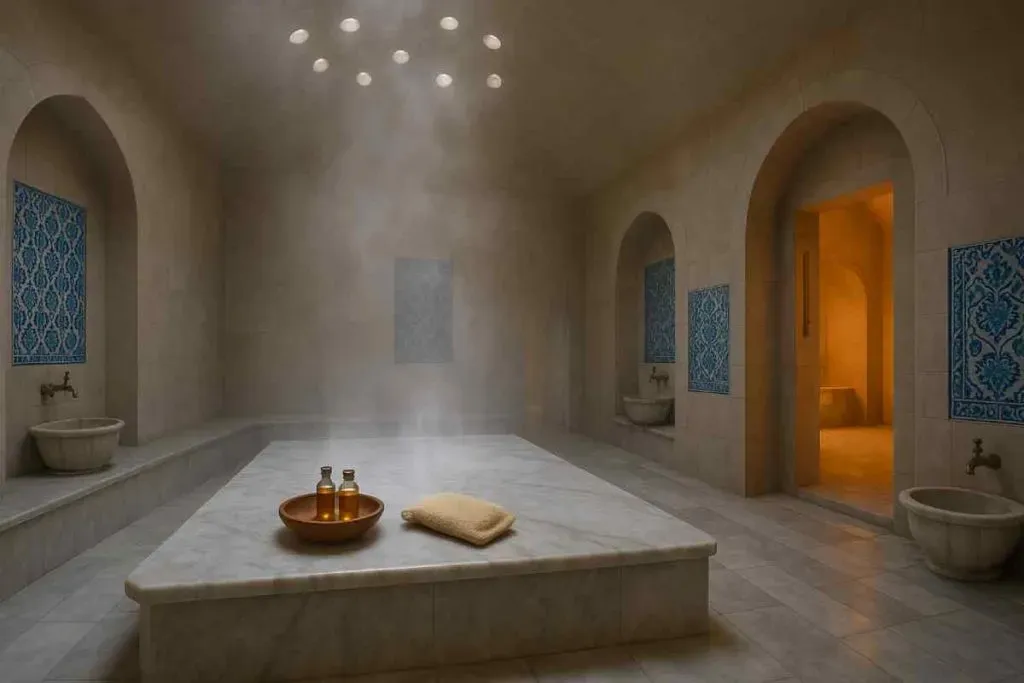
Turkish bath science offers a window into how the hammam heat and humidity influence body systems, mood, and skin. In a traditional hammam, a sequence of rooms with progressively rising temperatures uses steam bath benefits to support sweating, vasodilation, and relaxation. This overview clarifies the heat and humidity effects on circulation, skin hydration, and the nervous system. Recognizing these mechanisms helps explain why a hammam visit can feel restorative and how to experience it safely. Readers often seek the relaxation benefits, the sensory cues of heat and steam, and the holistic wellness narrative linked to Turkish bath traditions.
From a broader wellness lens, this thermal tradition is described with alternatives such as the hammam ritual, steam chamber experience, and thermotherapy-inspired spa culture. Its core is a staged sequence of warm spaces and humid air that supports mucosal hydration, breathing comfort, and skin renewal. In LSI terms, related concepts like heat exposure, humidity-driven responses, parasympathetic activation, and sensory relaxation help connect the practice to broader health dialogues. Framed this way, the experience shares roots with other mindful temperature therapies while preserving its cultural identity. Whether you call it a steam bath tradition or a warm-humid spa ritual, the core science stays about how warmth and moisture shape physiology and mood.
The Turkish bath science: How heat and humidity shape your body in a hammam
Turkish bath science reveals how a well-regulated heat-and-humidity environment nudges the body’s systems toward balance. In the hammam, heat triggers vasodilation and increased peripheral circulation, while humidity influences how sweat evaporates and how the skin feels the cooling effect. This constellation of heat and humidity effects promotes a physiological response that supports cardiovascular adjustment and thermal regulation, helping visitors feel steadier as they move through progressively warmer rooms.
The result is more than a physical reaction: the controlled sensory cues and thermal load can nudge the nervous system toward a parasympathetic state, encouraging deep relaxation. As temperatures rise and the air remains humid, people often notice a gradual easing of tension and a heightened sense of renewal, supporting the broader relaxation benefits associated with the Turkish bath experience.
Hammam rituals and skin health: exploring steam bath benefits and cleansing in a humid ritual
Within the hammam ritual, steam loosens surface debris and primes the skin for cleansing, making the kese scrub and cleansing soaps more effective. The steam bath benefits extend to better pore cleansing as humidity helps soften sebum, while the ritualistic sequence of cleansing, scrubbing, and rinsing engages the body’s sensory and proprioceptive systems, contributing to a heightened sense of cleanliness and calm.
Skin health in this environment is a balance of moisture, warmth, and gentle mechanical exfoliation. Humidity supports surface hydration, which can leave the skin feeling softer after massage and steam exposure, but it also calls for cautious use by those with sensitive or reactive skin. When approached thoughtfully, the hammam cleansing ritual can enhance skin comfort and contribute to a refreshed, renewed appearance.
Mind and body in balance: relaxation benefits and the mind–body connection in a humid hammam
The calming effects of the hammam are rooted in both physiology and psychology. The predictable sequence of heat rooms, cooling breaks, and mindful breathing creates a soothing cadence that can lower stress hormones and shift attention away from daily worries. This milieu supports the relaxation benefits many visitors seek, helping to quiet the mind while the body experiences rhythmic, comforting sensations.
As heat and humidity interact with the ritual, mood and cognitive ease often improve. The gentle textures, warm air, and slow movements invite a meditative focus on breath and body sensation, fostering a sense of safety and care. Over time, participants may notice improved sleep quality and a more balanced mood, reinforcing the mind–body benefits of regular Turkish bath experiences.
Comparing heat experiences: Turkish bath, sauna, and steam rooms—what the science says about heat and humidity effects
Head-to-head comparisons show that humidity-rich hammams offer a distinct sensory and respiratory profile compared with dry saunas. While heat exposure in any form can promote cardiovascular relaxation and improved circulation, the humidity in a Turkish bath provides mucosal hydration and a different feel of heat, which some people find more soothing and tolerable.
Understanding these heat and humidity effects helps individuals tailor their visits to personal goals, whether they seek muscle relaxation, clearer skin, or a quiet mental state. In practice, choosing between a hammam, sauna, or steam room often comes down to preference, health considerations, and how one responds to humidity and temperature in the moment.
Practical safety and optimization: hydration, timing, and maximizing steam bath benefits
Safe hammam experiences hinge on hydration, sensible timing, and awareness of personal health conditions. Prioritize water intake before, during, and after sessions, and be mindful of staying within comfortable timeframes in hot, humid rooms to prevent dehydration or overheating. These safety principles align with the broader idea that hydration and pacing support the quality of the steam bath benefits you experience.
To get the most out of a Turkish bath, plan the sequence of rooms, use the kese and cleansing tools mindfully, and incorporate cooling breaks between intense heat exposures. Aftercare—hydration, light nourishment, and gradual return to daily activity—helps sustain relaxation and skin comfort, ensuring that the experience remains restorative rather than exhausting.
Frequently Asked Questions
What does Turkish bath science say about the hammam, and how do heat and humidity contribute to relaxation benefits?
Turkish bath science shows that controlled heat and humidity trigger vasodilation and sweating, increasing skin blood flow and muscle relaxation. In the hammam, the humid air supports mucosal hydration and a soothing breathing pattern, contributing to the steam bath benefits. The ritual sequence of warm rooms and gentle cleansing reinforces calm and promotes a parasympathetic state, leading to deep relaxation.
How do heat and humidity effects in a Turkish bath compare to sauna or other steam experiences?
Heat and humidity effects in a Turkish bath create a humid, steam-rich environment that enhances mucosal hydration and skin conditioning, with breathing often more comfortable than in a dry-heat sauna. In contrast, a sauna uses dry heat with lower humidity, producing a different sensory and respiratory profile. Both can offer cardiovascular relaxation and stress relief, but the humidity-rich Turkish bath provides a distinct steam bath benefits profile.
What practical tips from hammam science maximize relaxation benefits while staying safe?
Practical hammam science tips include hydrating before and after the session, limiting intense exposure to about 10–20 minutes per hot phase, and taking cooling breaks between rooms. Use the kese scrub and cleansing steps when your skin is moist to support safe exfoliation, and avoid excessive alcohol around the experience. These practices help maximize relaxation benefits while prioritizing safety in heat and humidity.
Can Turkish bath science explain skin health improvements from steam and humidity?
Yes. Steam and humidity can support skin hydration, gentle cleansing, and increased circulation, which may improve skin texture and perceived cleanliness. Steam helps loosen surface debris and enhances pore cleansing when done safely, though individuals with sensitive skin should test first and monitor for irritation. This aligns with the steam bath benefits and the skin-health aspects highlighted in Turkish bath science.
What is the recommended rhythm of heat and humidity in the hammam to experience optimal relaxation benefits?
Follow the hammam’s rhythm: start in cooler rooms, then progressively enter hotter, more humid spaces, with cooling breaks between phases. The heat and humidity effects, combined with mindful breathing and slow movements, can promote a parasympathetic-dominant state, aligning with the relaxation benefits many people seek from a Turkish bath.
| Aspect | Core Points | Practical Takeaways |
|---|---|---|
| Environment and design of the hammam | A traditional hammam uses a sequence of rooms with progressively rising temperatures and humidity; air is saturated with steam; floors are cool; hot–cool contrasts are intentional. | Sets up thermoregulation, sweating, and vascular responses; humidity aids skin moisture and comfort during cleansing rituals. |
| Body response to heat | Heat prompts vasodilation and increased peripheral circulation; sweating increases as core temperature rises; humidity affects sweat evaporation and perceived cooling. | Expect temporary relaxation of muscles, improved warmth perception, and a longer cooling phase after exiting hot rooms. |
| Humidity’s role for breath, skin, and mood | Humid air supports mucosal hydration, may ease throat and nasal sensations; humidity helps maintain surface skin moisture and supports a sense of purification. | Moist air can enhance breathing comfort and mood; steam aids skin hydration and relaxation. |
| Mind–body connection and ritual | Cleansing rituals (kese, soap lather, massage) are rhythmic and safety-oriented; these actions can reduce stress hormones and promote parasympathetic activation. | Focus on breath, body awareness, and smooth transitions between zones to sustain deep relaxation. |
| Skin health, detox, and immune considerations | Steam helps loosen surface debris; cleansing improves pore access; hydration supports skin function; caution for sensitive skin and eczema; detox benefits are limited. | Hydration and gentle cleansing maximize skin benefits; consult a clinician if skin sensitivity is a concern. |
| Rituals, culture, and the wellness story | The hammam is a social and ceremonial space; sequence, cleansing, and massage contribute to mindfulness and a sense of community. | The practice blends cultural tradition with science-backed heat exposure for holistic wellbeing. |
| Hammam vs sauna and other steam experiences | Humidity-rich hammam contrasts with dry-heat sauna; steam rooms emphasize humidity with heat; literature notes cardiovascular benefits from heat exposure in general. | Choose based on goals (muscle relaxation, skin care, respiratory comfort) and health status. |
| Health benefits and practical outcomes | Enhanced circulation, muscle relaxation, improved mood, skin cleansing, mild nasal/throat relief, and better sleep for many; linked to vasodilation, sweating, and parasympathetic shift. | Manage expectations; tailor duration and hydration to individual tolerance. |
| Safety, best practices, and considerations | Hydration before/during/after; limit intense exposure to 10–20 minutes in hot humid rooms; consider medical conditions; maintain hygiene and etiquette; test sensitive skin first. | Plan visits with breaks, monitor body signals, and consult healthcare providers if cardiovascular or respiratory concerns exist. |
| Practical tips for maximizing the experience | Know the room sequence, use kese or similar tools for exfoliation when skin is moist, add mild aromatics sparingly, schedule cooling breaks, and rehydrate after sessions. | Approach with intention and moderation to optimize relaxation and skin health. |
| Common myths about heat and humidity | Myths include fat burning by steam and ‘more time equals more benefits’; safety concerns ignore individual variation. | Rely on evidence-based limits, hydration, and individualized pacing. |