
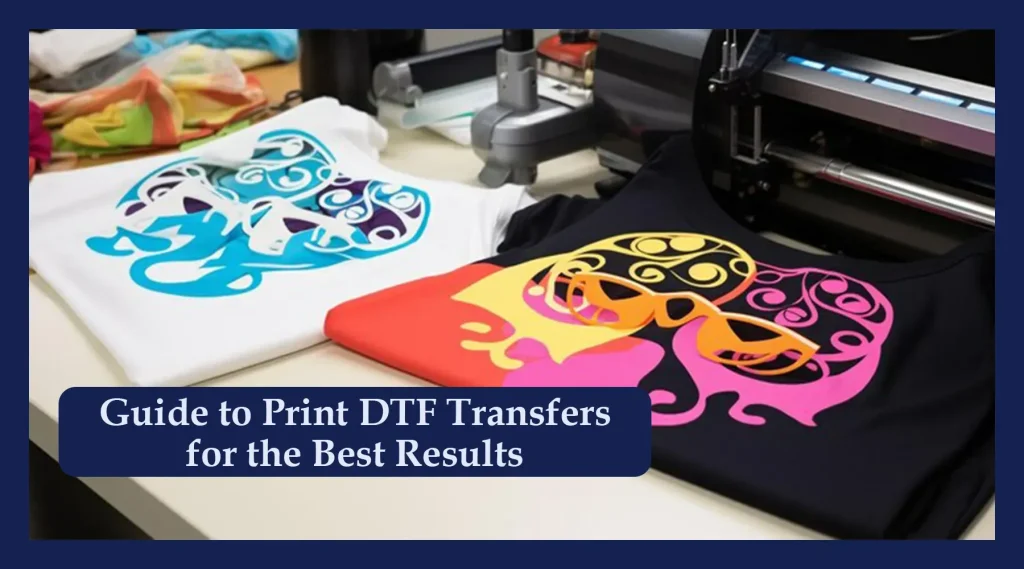
DTF transfers open a vibrant path to garment decoration, offering a versatile and durable option for creative crafters and small businesses. Understanding the DTF transfers process helps you predict color quality, adhesion, and wash durability as you plan designs. Compared with traditional methods, DTF vs screen printing highlights advantages such as suitability for a wide range of fabrics and simpler setup. If you’re wondering how to apply DTF transfers, this guide breaks down steps from preparing artwork to heat pressing for consistent results. You’ll also find practical DTF printing tips and references to the tools, like the DTF transfer film, that help you achieve crisp details and durable finishes.
From another angle, this method is a film-to-fabric transfer system, often described as direct-to-film textile printing, which places a printed sheet onto garments before heat application. LSI-style terminology emphasizes the same concept with phrases like film-based garment printing, heat-press transfers, and white-ink opacity to achieve vibrant designs on diverse fabrics. Creatives and shop owners can compare it to other digital-on-fabric options, focusing on ease of use, low setup, and excellent color fidelity. Ultimately, the core idea remains: a printed film carries the design, and a heat press fuses it to fabric, delivering durable, wearable art.
Understanding the DTF transfers process and its benefits
DTF transfers process refers to a sequence of steps that takes a digital design from concept to a durable print on fabric. It begins with preparing the artwork, then printing onto a PET transfer film using water-based inks, including white ink for opacity. After printing, a hot-melt adhesive powder is applied, the film is cured, and the design is transferred to the garment with a heat press. This sequence yields a vivid image that remains flexible and soft to the touch, even after multiple washes.
The core advantages of DTF transfers extend beyond color brightness. The method offers broad fabric compatibility, working well on cotton, blends, polyester, and even darker fabrics without heavy pretreatment. The transfer film and adhesive powder combine to deliver a reliable bond, while the process can be scaled for small runs or one-off designs. For crafters and small businesses, these factors translate to a practical balance of quality, efficiency, and cost.
[DTF transfers] vs traditional methods: choosing the right approach
DTF transfers vs traditional methods presents a clear set of trade-offs. Screen printing can deliver bold, solid colors with strong durability on certain fabrics, but it often requires higher setup costs and more extensive setup for each color layer, making it less economical for small runs. DTF transfers, on the other hand, shine in low- to mid-volume work, offering quicker turnarounds and less upfront investment per design.
When deciding which method to use, consider the design details and fabric mix. DTF can reproduce a wide color gamut and fine gradients, aided by white ink for opacity on dark fabrics. Screen printing may excel with large, flat color areas and situations where you can batch many identical items. To optimize outcomes, researchers and makers often compare results using terms like the DTF transfers process and real-world tests of durability on various fabrics.
How to apply DTF transfers: practical steps for glossy, durable results
How to apply DTF transfers is a four-stage practice that begins with preparing the garment and design. You’ll need the right garment, a clean surface, and your design ready at the correct size. Then print the image onto the DTF transfer film using water-based inks, including white for opacity. This is followed by applying a consistent layer of hot-melt adhesive powder and curing the film before the transfer to fabric.
Next comes the actual transfer: placing the cured film on the garment, covering with parchment or a protective sheet, and using a heat press at the recommended temperature and pressure. The peel can be hot or cold depending on the film and adhesive, so you should test both methods to identify the most reliable option for your setup. For best results, incorporate ongoing DTF printing tips like maintaining even pressure, ensuring film cleanliness, and allowing proper post-press curing.
Choosing the right DTF transfer film and inks for reliability
Selecting the right DTF transfer film and inks is essential for consistent, durable results. The transfer film serves as the carrier for your design, while the white ink layer ensures opacity on dark fabrics and preserves light areas in the artwork. Inks used for DTF are typically water-based and require a printer capable of a wide color gamut and solid white ink coverage to prevent translucency.
Powder adhesives must be food-safe or textile-grade to withstand handling and washing. Investing in high-quality transfer film and inks minimizes issues such as cracking, peeling, or color dulling after multiple washes. By aligning your film choice with your printer, RIP software, and ink system, you gain greater predictability in color, texture, and longevity across different fabrics.
From hobby to business: scaling with DTF transfers and best practices
DTF transfers offer a scalable path from hobby projects to small business runs. For crafters, the ability to produce customized designs with quick setup and minimal minimums means you can test market interest before committing to larger orders. DTF’s flexibility with a variety of fabrics, combined with relatively fast turnaround times, makes it well-suited for on-demand items, limited editions, and personalized gifts.
To sustain growth, apply best practices across the workflow: calibrate printers, maintain clean printheads, and use reliable RIP software for color management, all while following the DTF printing tips that help optimize results. Maintaining a clean workspace, testing on similar fabrics, and planning inventory for transfer film, powders, and inks will improve consistency as production scales from home setups to small-production environments.
Frequently Asked Questions
What is the DTF transfers process and how does it work?
DTF transfers process involves designing artwork, printing it onto a PET transfer film with water-based inks (including white for opacity), applying a hot-melt adhesive powder, curing the film, and then transferring the design to fabric with a heat press. After pressing, you peel the film hot or cold depending on the setup to reveal a vibrant, soft-feel image that lasts through many washes. This workflow is popular for its compatibility with many fabrics and its suitability for small runs.
DTF vs screen printing: which method is better for your design?
DTF vs screen printing each have strengths. DTF transfers offer low setup costs for small runs, excellent color vibrancy on a wide range of fabrics, and a soft hand feel. Screen printing can be more economical for large-volume runs and delivers bold, solid colors with long durability on certain fabrics. Your choice depends on run size, fabric type, color complexity, and desired hand feel.
How to apply DTF transfers to fabrics: a practical guide
How to apply DTF transfers: start with a clean, pre-washed garment. Pre-press to remove moisture, then place the transfer on the fabric. Use a heat press around 305–320°F (150–160°C) for 12–15 seconds with steady pressure. Cover with parchment or a silicone sheet, press evenly, and then peel the film hot or cold based on your film’s guidelines. Allow the garment to cool and cure before handling or washing.
DTF transfer film: what is it and why does it matter?
DTF transfer film is the carrier that holds your printed design, including a white ink layer for opacity on dark fabrics. The film must release cleanly from the adhesive powder during transfer, and it works in tandem with compatible inks to deliver vivid color and detail. Choosing a quality DTF transfer film (with reliable release and adhesion) helps prevent issues like cracking or dull color after washing.
DTF printing tips for best results
DTF printing tips: calibrate your printer and color management workflow, use reliable transfer film, white ink, color inks, and adhesive powder, and work in a stable environment. Build a library of test swatches on different fabrics, document successful settings, and plan for ample white ink coverage to maintain opacity on darker textiles. Regular maintenance of printheads and using RIP software can improve consistency and durability.
| Aspect | Key Points | Why It Matters |
|---|---|---|
| What are DTF transfers? | DTF transfers are printed images created on a PET film using water-based inks (including white ink) and transferred to fabric with a heat press, resulting in a vivid, soft-feeling design that lasts through many washes. | Foundational understanding of the method and what exactly is being applied to textiles. |
| Why choose DTF transfers | They offer strong color vibrancy and detail, work on cotton, blends, polyester and dark fabrics without heavy pretreatment, and are cost-effective for small runs with a soft hand feel. | Highlights benefits for flexibility, fabric compatibility, and efficiency on small-batch projects. |
| DTF process at a glance | Design; printing on PET transfer film with water-based inks (including white); powder application; curing; dusting; transfer to fabric; peel (hot or cold). | Provides a concise workflow with key checkpoints from design to final peel. |
| DTF film and inks essentials | Film is the carrier; white ink enables opacity on dark fabrics; adhesive powder helps adhesion; inks are water-based; use compatible film, inks, and powders to avoid issues like cracking or dulling. | Emphasizes component quality for durability and color accuracy. |
| DTF vs screen printing | DTF excels in small runs, offers broad fabric compatibility and detailed color; screen printing is often cheaper per unit for large runs and yields bold solids with a strong feel. | Helps decide method based on run size, design detail, and fabric type. |
| How to apply DTF transfers: practical steps | Choose the garment; pre-wash; set heat press (typical range ~305–320°F / 150–160°C for 12–15s); use protective layer; apply even pressure; follow correct peel direction; allow post-press curing. | Provides actionable, repeatable steps for reliable results. |
| Care and maintenance | Wash inside out in cold water with mild detergents; avoid harsh chemicals; tumble dry low or air-dry; some fading may occur over time but durability is strong with proper care. | Informs on longevity and best practices to extend life of transfers. |
| Best practices and common mistakes | Ensure even powder coverage; keep film clean; test transfers before full runs; avoid overheating; align designs carefully to prevent misregistration. | Prevents common issues and improves consistency. |
| Sourcing supplies | Look for printer compatibility and RIP support; ensure reliable white and color ink supply; choose a consistent transfer film and adhesive powder; seek good cure-time guidelines and customer support. | Guides procurement to maintain quality and workflow reliability. |
Summary
The table above highlights the core concepts of DTF transfers, from what they are and how the process works, to how they compare with screen printing and practical steps for applying and caring for DTF designs.