
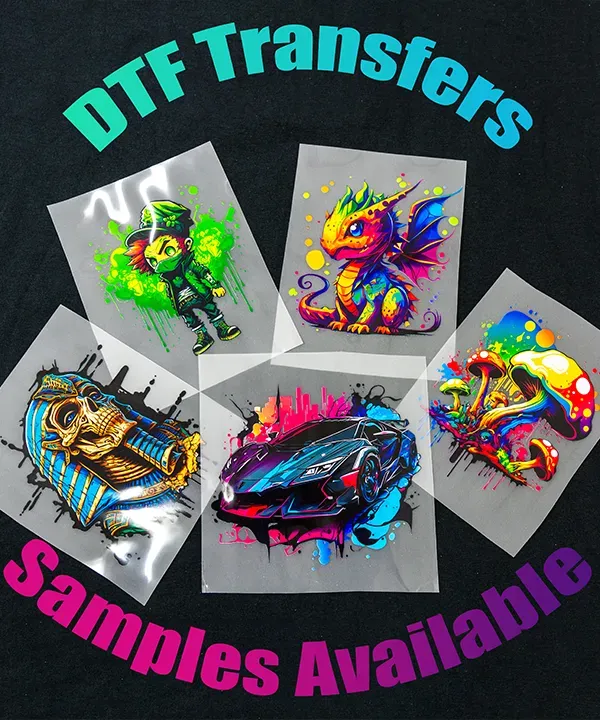
DTF transfers are transforming how designers print on fabrics, delivering vibrant, durable designs across a wide range of materials and garment types. This introductory guide walks you through a clear, step-by-step process and shows how to apply DTF transfers like a pro, emphasizing a smooth workflow from design to finish. You’ll discover practical tips, including heat press settings for DTF, alignment techniques, and troubleshooting steps to avoid ghosting, cracking, or peeling. Whether you’re printing shirts, hoodies, or bags, this DTF printing guide provides actionable guidance, quick-start checklists, and tips for reproducible results across batches. By following these steps and refining your process with sample tests, you’ll achieve crisp, color-rich transfers that stand up to washing and daily wear.
Alternatively described as direct-to-film printing, this film-based transfer method uses a printable film, adhesive powder, and heat to embed vivid artwork onto garments. From a broader perspective, it sits within the digital garment decoration family, offering film transfer workflows and thermally applied designs compatible with a wide range of fabrics. Aspiring makers often refer to the approach as film transfer or direct-print-on-film workflows, highlighting its high fidelity and soft hand. For troubleshooting and setup optimization, consult resources such as DTF transfer troubleshooting and the DTF printing guide to refine your process. Understanding these terms helps planners test materials, tailor heat and pressure, and scale production while maintaining consistency.
DTF Transfers 101: Understanding the Process and Setup
DTF transfers have transformed custom apparel by delivering vibrant, durable designs that move with the fabric. If you’re wondering how to approach this method, a clear overview starts with designing for the DTF workflow, printing on the transfer film, applying adhesive powder, curing, and then transferring with heat and pressure. Understanding each stage helps you predict results, reduce waste, and achieve professional outcomes across cotton, blends, and even synthetics.
Setting up the right toolkit is the first step. You’ll need a DTF printer and compatible inks, film sheets, adhesive powder, parchment or silicone sheets, a dependable heat press that reaches the target temperature, and a clean workspace. Following a DTF printing guide can help you choose profiles, manage white underbases for dark fabrics, and keep color density consistent from batch to batch. The goal is a repeatable process that yields crisp edges and saturated color while avoiding edge halos and misregistration.
How to Apply DTF Transfers: Step-by-Step Workflow
A practical answer to how to apply DTF transfers begins with design prep, mirroring or flipping when required, and printing onto the transfer film with the correct color profile. Allow the ink to dry completely before applying the adhesive powder to prevent clumping or smudges, then cure the powder according to your supplier’s instructions.
Pre-press the garment to remove moisture and create a flat, stable surface. Align the transfer accurately using painter’s tape or alignment tools, then proceed to the press. Follow the film’s recommendations for peel timing and any post-press steps to ensure a flush, durable result. This step-by-step approach is the core of a reliable DTF workflow and is reinforced by practical DTF transfer tips.
DTF Transfer Tips for Crisp and Durable Results
DTF transfer tips emphasize consistent powder coverage, proper curing, and maintaining film flatness through the press. Small mistakes—such as powder clumping or uneven drying—can cause edge halos, cracking, or poor adhesion, so attention to detail matters at every stage.
Test prints on fabric samples help dial in temperature, time, and pressure before committing to a project. Document your printer profiles, film type, and adhesive powder brand to build a library of reliable settings, and keep your workspace clean to prevent specks in the final design. These practices embody a practical, results-driven approach to DTF.
Heat and Fabric: Heat Press Settings for DTF Across Fabrics
Heat press settings for DTF vary by fabric type. A common baseline is approximately 302–320°F (150–160°C) with medium to firm pressure, but you should adjust based on fiber content, weave, and garment weight. Cotton and cotton blends often tolerate longer dwell times, while polyester and synthetic blends may require gentler heat to avoid scorching.
Protect your print with a silicone sheet or nonstick parchment, and allow a brief post-press cooldown before peeling to improve adhesion. Keeping a log of temperatures, times, and pressures for each fabric ensures you can reproduce successful results and scale up production. For reference, consult a DTF printing guide when testing new fabrics or film brands.
DTF Transfer Troubleshooting: Common Issues and Fixes
DTF transfer troubleshooting covers ghosting, white halos, cracking, and poor adhesion. Common causes include incomplete powder curing, misregistration during alignment, insufficient heat or pressure, and moisture trapped in the fabric.
Effective fixes involve thorough powder curing, precise alignment checks, and replicable heat-press settings across fabric types. Run test presses, adjust dwell time, and verify the film’s compatibility with your printer and powder. Document recurring issues and reference a DTF printing guide to standardize your approach so you can quickly diagnose and fix problems.
Frequently Asked Questions
How to apply DTF transfers: step-by-step guide for beginners
DTF transfers can be applied by printing the design on DTF film, applying adhesive powder, curing it, pre-pressing the garment, then aligning and pressing the transfer at 302–320°F (150–160°C) for 12–15 seconds under even pressure. Peel the carrier hot or warm according to your film’s instructions, then perform a short post-press and allow the garment to cool before handling.
DTF transfer tips to improve results across fabrics
Start with a test print on fabric similar to your final product. Ensure even powder coverage and proper curing, keep the workspace clean, and align carefully using tools for stability. Apply even pressure with a protective sheet, and adjust heat and time for each fabric; on dark fabrics use a white underbase when required and watch for edge halos.
What are the heat press settings for DTF and how to adjust for different fabrics?
Typical settings are 302–320°F (150–160°C) for about 12–15 seconds with medium to firm pressure. Pre-press the garment for 5–10 seconds to remove moisture, then press and perform a brief post-press. Always follow your film supplier’s guidelines and test on similar fabrics to fine-tune time, temperature, and pressure.
DTF transfer troubleshooting: common issues and fixes
Common problems include ghosting, cracking, white halos, poor adhesion on dark fabrics, and color bleed. Fixes include ensuring even powder coverage and curing, keeping the garment flat, verifying alignment, using a white underbase when needed, calibrating printer colors, and testing before large runs.
DTF printing guide: essential steps from design to finished transfer
A DTF printing guide covers design prep (high resolution, color management, possible white underbase), printing on DTF film, powder application and curing, pre-press, accurate alignment, and the pressing steps with correct heat and time, followed by proper post-care. It also emphasizes testing on similar fabrics and maintaining a clean, dedicated workspace for consistent results.
| Key Point | Description |
|---|---|
| What are DTF transfers? | A modern textile transfer method that prints designs onto a film, applies adhesive powder, cures it, and uses heat and pressure to bond the image to fabrics, delivering vibrant color and durability. |
| What you’ll learn | Workflow from print to finish; design preparation; powder curing; optimal heat press settings; alignment, pressing, and peeling techniques; post-care and troubleshooting. |
| Tools, materials, and setup | DTF printer and inks; transfer film; adhesive powder; heat press; garments; parchment or silicone sheet; squeegee; weights; workspace and timer. |
| Fabric & color considerations | Works on many fabrics; lighter fabrics show bright color; darker fabrics may require a white underbase; adjust temperature, time and pressure for best adhesion and minimize edge halos. |
| Step-by-step workflow overview | From design prep to final transfer: prepare design, mirror if needed, print; apply powder and cure; pre-press garment; align and press; peel; post-press; cure and care. |
| Care and maintenance | Wash inside out, cold or warm water, gentle cycle; air dry or low heat; avoid direct ironing; wash first 5–10 wears for best results. |
| Common issues and fixes | Ghosting, cracking, halos, poor adhesion; ensure even powder, proper curing, and even heat distribution; adjust temp/time; test on similar fabrics. |
| DTF transfers vs other methods | Offers high-resolution color, soft hand, and durability; easier on gradients; advantages over screen printing and traditional heat transfers; versatile across fabrics. |
| Common mistakes to avoid | Skipping pre-press; skipping powder curing or over-powdering; misalignment; improper peeling; poor post-care. |
Summary
DTF transfers offer a versatile solution for printing vibrant, durable designs across a wide range of fabrics. This descriptive overview highlights how mastering the step-by-step process—from design preparation and powder curing to precise heat-press settings and proper post-care—can elevate apparel projects or a small business. With the right tools, patience, and a repeatable workflow, DTF transfers can deliver professional results that look great on shirts, hoodies, bags, and fabric samples alike. By practicing, testing on similar materials, and refining settings for different fabrics, you’ll reduce waste, minimize common issues, and achieve consistent color and smooth finishes.